

There is a pattern we see repeatedly in technology hiring.

International Women’s Day: What Is Actually Changing for Women in Tech and Cyber?
Every year, we see the same statistics shared about women’s representation in tech and cybersecurity.

Matching Cybersecurity Entry-Level Talent to Your Business Needs
Hiring entry-level cybersecurity talent is not just about filling a role. The real challenge is identifying which type of candidate aligns with your organisation’s specific business needs. Defining what your company truly requires before reviewing CVs transforms hiring from a gamble into a strategic advantage.
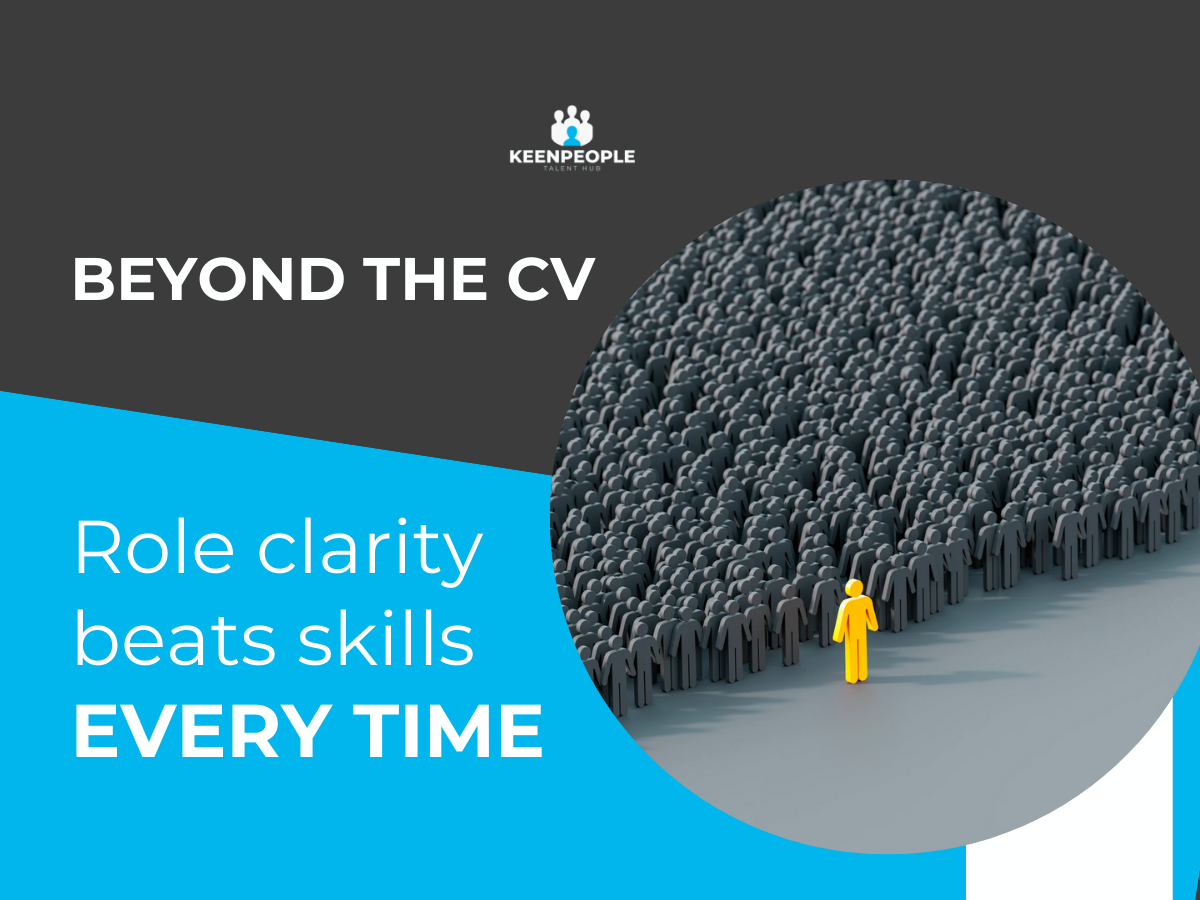
Beyond the CV: Why Role Clarity Is the Secret to Scaling Your Tech Team
In our years working alongside technology and cybersecurity teams, one pattern appears again and again. The impact of the right person in the right role is exponential. A hire who can take ownership, make sound decisions under pressure, and deliver real outcomes changes how a team performs.
How SMEs Can Stand Out to Top Tech and Cyber Candidates in 2026
Attracting strong tech and cybersecurity talent is one of the biggest challenges for growing organisations. Many candidates are drawn to large corporations for familiar reasons such as brand recognition, structured career paths, and perceived stability.
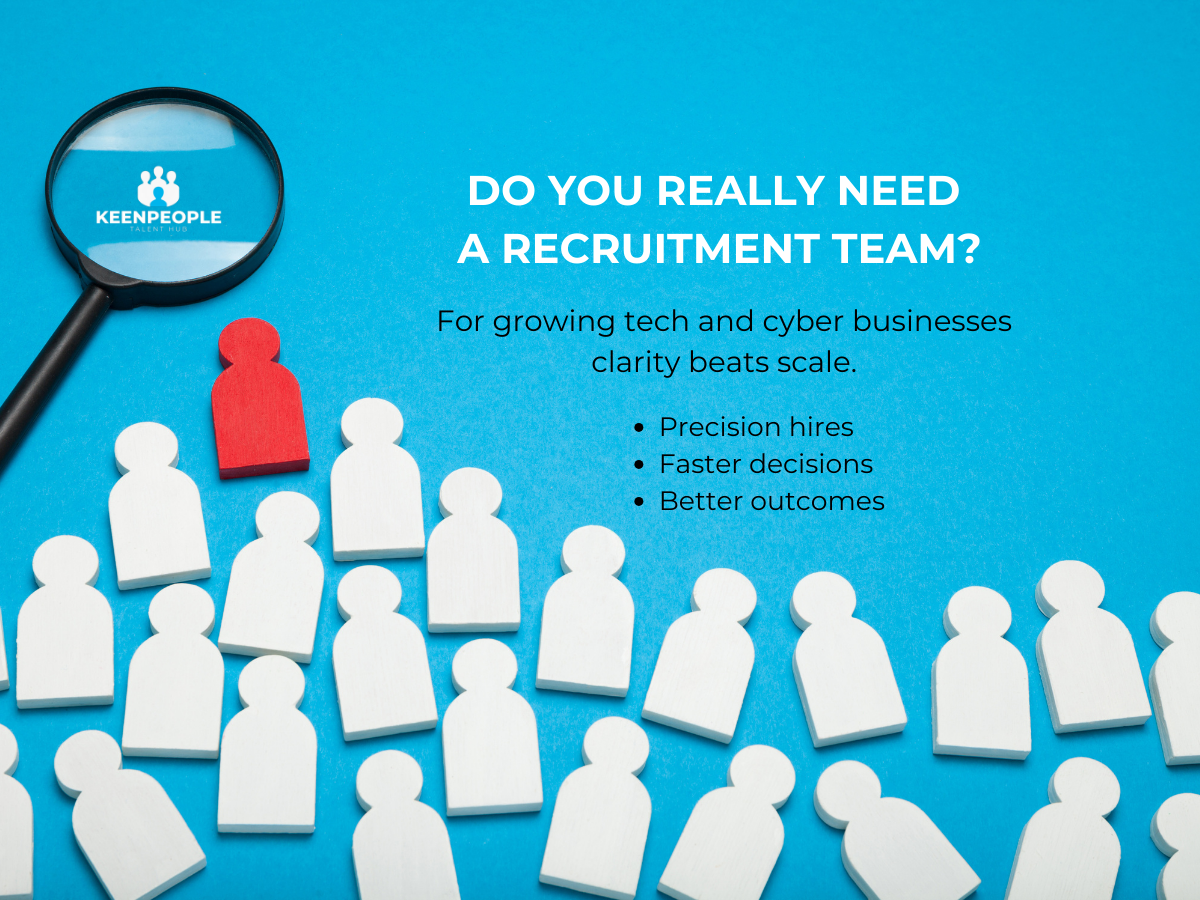
Why a Full Recruitment Department Isn’t Always the Answer for Growing Tech and Cyber Teams
If you run a small cyber or tech business, hiring can feel overwhelming. You need the right skills quickly, the market is competitive, and every new hire has a big impact on delivery, culture, and growth.
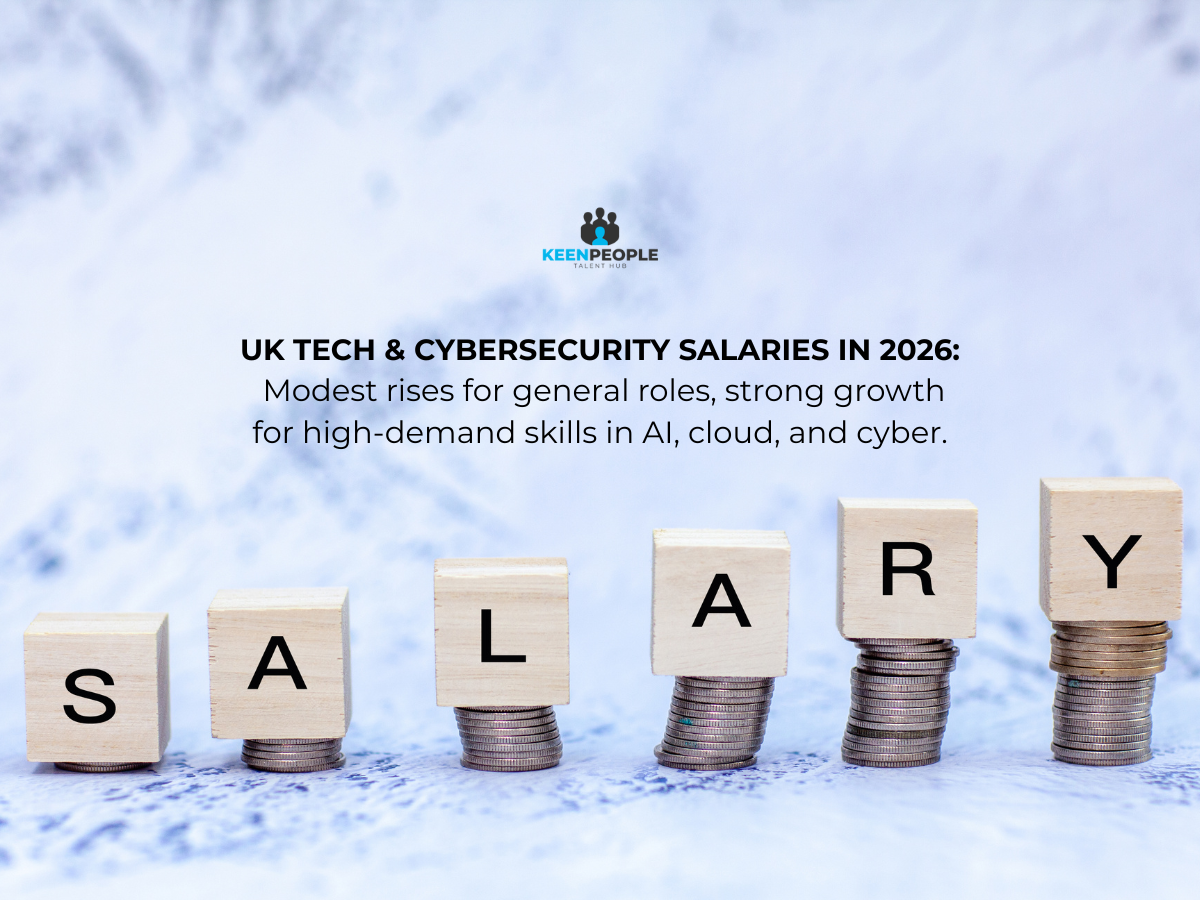
The 2026 Salary Forecast: What to Expect in UK Tech & Cybersecurity
As we approach the new financial year and look toward 2026, the question on the minds of both hiring managers and ambitious professionals is the same: what is the real market rate for top tech and cybersecurity talent?
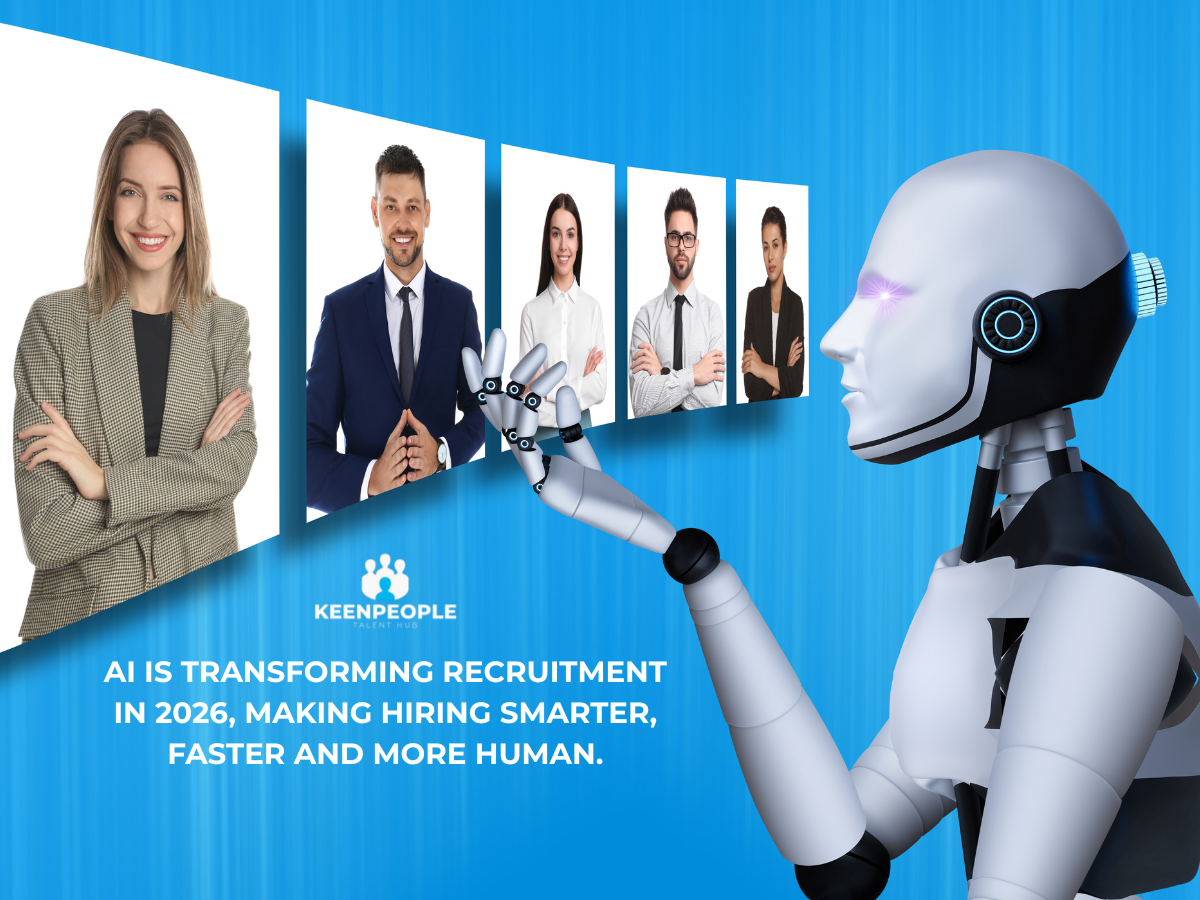
From Automation to Reinvention: How AI is Reshaping Recruitment for 2026
As a team, we regularly share insights and discuss the latest research in tech and recruitment. Recently, one of our team members brought an episode of Oxford Tea Talks to our attention, where Professors Kejia Hu and M. Eric Johnson explored how Artificial Intelligence is fundamentally reshaping work, learning, and value creation.

Why Great Candidates Walk Away from Your Hiring Process
Ever had a promising candidate drop out of your hiring process? You’re not alone. In today’s job market, candidates have options—plenty of them. If you’re seeing top talent disengage before the finish line, it’s worth asking: is your hiring process pushing them away?
One of the biggest culprits is a painfully slow process. Lengthy interview rounds, delayed responses, and indecisive hiring managers can all test a candidate’s patience. The best professionals aren’t sitting around waiting—they’re fielding multiple offers. If you take weeks to make a decision, they’ll likely take another opportunity before you even get back to them. Speed matters.
Then there’s poor communication. Candidates want transparency—about salary, expectations, and timelines. If they’re left in the dark or given vague updates, they’ll assume your company operates the same way internally. A clear, well-structured process with regular touchpoints can make a world of difference.
Another major reason candidates walk? An impersonal or robotic experience. A hiring process should be a two-way street—not just about assessing them, but also showing them why they should choose you. If your process feels transactional or uninspiring, they won’t feel connected to the company. Personalising interviews, giving genuine insights into company culture, and treating candidates with respect can set you apart.
Finally, misaligned expectations can derail everything at the last minute. If the job description promised one thing but the interview suggests another, candidates will hesitate. Honesty from the start about the role, growth opportunities, and company culture helps avoid last-minute dropouts.
Top talent isn’t just looking for a job—they’re looking for a great experience. If you’re struggling with candidate drop-off, it might be time to rethink your hiring approach. Have you noticed top candidates pulling away before the final stage? What do you think makes or breaks a hiring experience?

Is Your Job Description Repelling Top Talent?
A job description is often the first impression a candidate has of your company, yet so many are filled with vague jargon, unrealistic demands, or pages of dry bullet points. In a competitive hiring market, a poorly written job post doesn’t just fail to attract top talent, it actively pushes them away.
One of the biggest mistakes companies make is overloading job descriptions with excessive requirements. Do you really need ten years of experience for a mid-level role? Is that “must-have” degree truly essential? When jobseekers feel they don’t tick every single box, many will simply move on, especially women and underrepresented groups, who statistically apply only when they meet nearly all listed criteria. Instead of crafting a wish list of impossible qualifications, focus on what actually matters: skills, impact, and growth potential.
Then there’s the language. Corporate buzzwords like “rockstar,” “ninja,” or “fast-paced environment” can be off-putting or vague. Instead, be clear, direct, and inclusive. Words carry weight, if your listing sounds cold or overly demanding, candidates might assume your company culture is the same. Aim for a tone that reflects your current workplace: collaborative, supportive, and realistic about expectations.
Another major red flag? A job description that only talks about what the company wants and says nothing about what the candidate gains. Top professionals aren’t just looking for a paycheck, they’re looking for career growth, work-life balance, and a company that aligns with their values. Highlight your benefits, company culture, and what makes your team special. Show them why they should choose you.
Finally, don’t forget that a job description is a marketing tool, not just a list of duties. It should engage, excite, and invite candidates to imagine themselves in the role. If your hiring process starts with an uninspiring or unrealistic job ad, you might be filtering out the very people you want to attract.
When was the last time you reviewed your job descriptions? Do they inspire or intimidate?