Artificial intelligence is rapidly changing how organisations approach recruitment, particularly in cybersecurity and technology hiring.
Internships: The Secret Win-Win Companies and Trainees Keep Overlooking
We often think of internships as a stepping stone for trainees. But the truth is, the smartest companies treat them as a two-way street: a chance to grow talent while benefiting from fresh ideas.
Here’s why internships deserve a rethink.
Fresh Eyes on Old Problems
Trainees walk in with curiosity and energy. They ask questions no one else dares to ask and notice gaps that can become opportunities.
For companies, this isn’t just helpful, it’s a reality check. Sometimes the best solutions come from someone who hasn’t been “trained” to see things a certain way.
Learning, Actually Learning
The best internships aren’t about coffee runs or shadowing. They give trainees real projects, mentorship, and autonomy.
This means trainees leave knowing:
• How to apply skills in a professional setting
• How to navigate workplace challenges
• How to make an impact from day one
And for companies? That’s a pipeline of talent who already understand how your world works.
Spotting Future Stars
Internships are basically a long interview, but better. Companies get to see:
• Who fits culturally
• Who thrives under guidance
• Who has the grit and curiosity to grow
It’s a chance to invest in people who could become your next hire without the risk of a blind recruitment process.
Building Reputation, One Trainee at a Time
A strong internship program says a lot about a company. It shows:
• You care about developing talent
• You value learning and growth
• You’re an attractive place for ambitious candidates
And the bonus? Trainees often leave as advocates, talking about your culture and opportunities long after their internship ends.
Making Internships Work
• Give clear goals and real responsibilities
• Pair each trainee with a mentor or work mate
• Celebrate achievements, even small ones
• Treat the internship like an investment, not a task
When internships are done right, both sides win. Trainees gain experience, confidence, and networks. Companies gain fresh ideas, early talent spotting, and a stronger culture.
The best internships are mutually beneficial. They’re not just “learning experiences”, they’re opportunities for companies to see what’s possible when curiosity meets opportunity.
Treat them well, and you’ll be surprised how much your team (and your future hires) can grow.
Why Tech and Cyber Companies Cannot Afford to Operate in Isolation
In technology and cybersecurity, competitive advantage is rarely built behind closed doors. It is built through proximity to change.
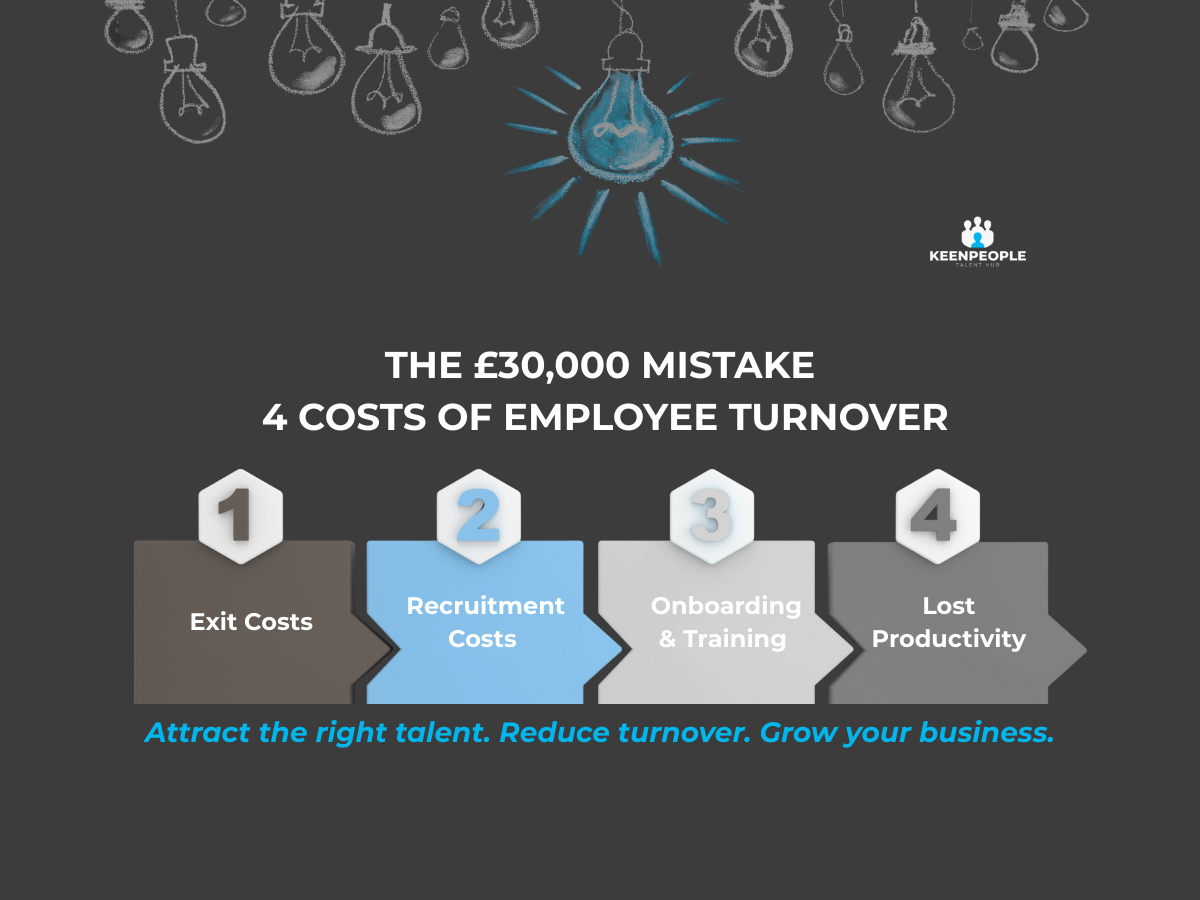
The £30,000 Mistake: Calculating and Capping the True Cost of Employee Turnover in the UK
Employee turnover can cost far more than just the salary of the departing employee. For HR directors, CFOs, and operations leaders, understanding the potential financial impact is essential for making strategic decisions about retention and recruitment.
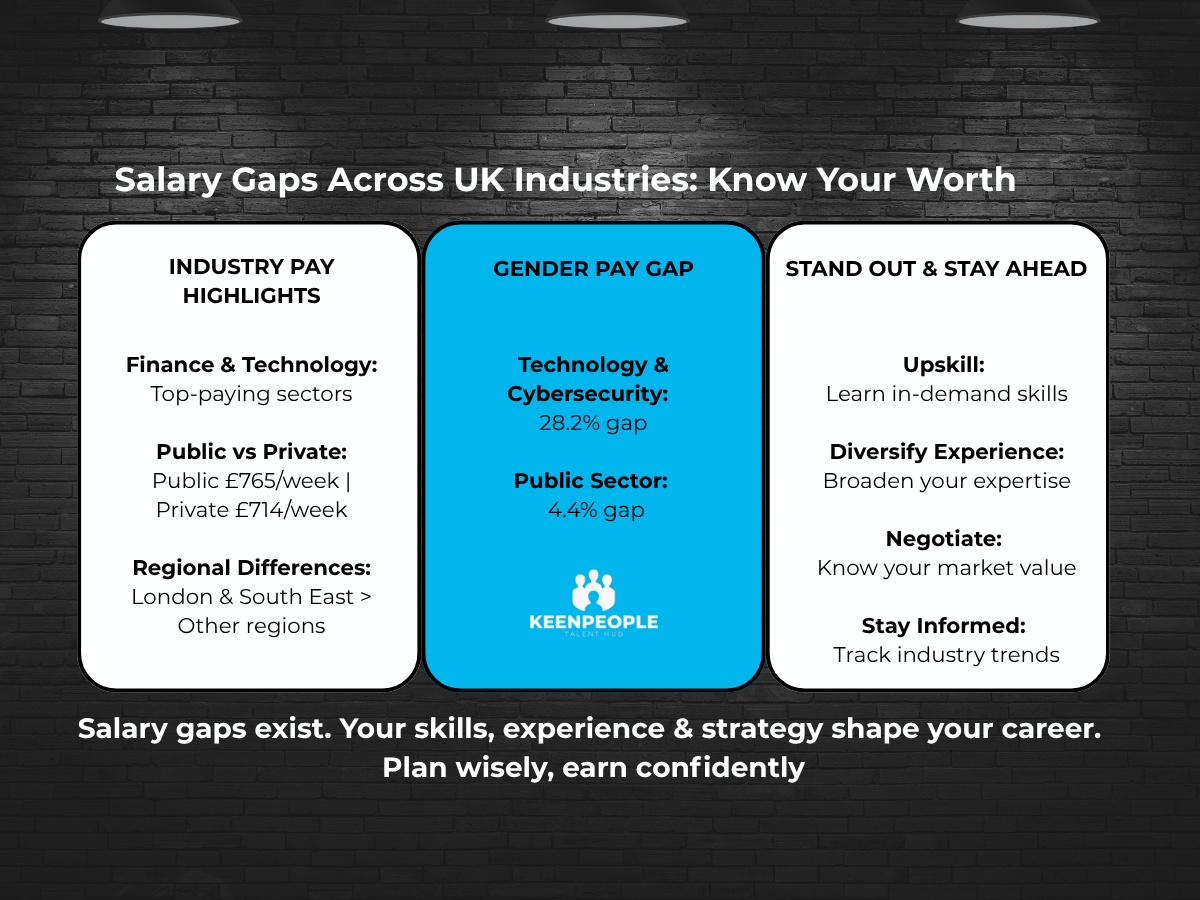
Navigating the Salary Aspect: Insights into UK Industry Pay Gaps
Salary disparities across UK industries are not just statistical anomalies; they reflect underlying market dynamics, skill demands, and recruitment trends.
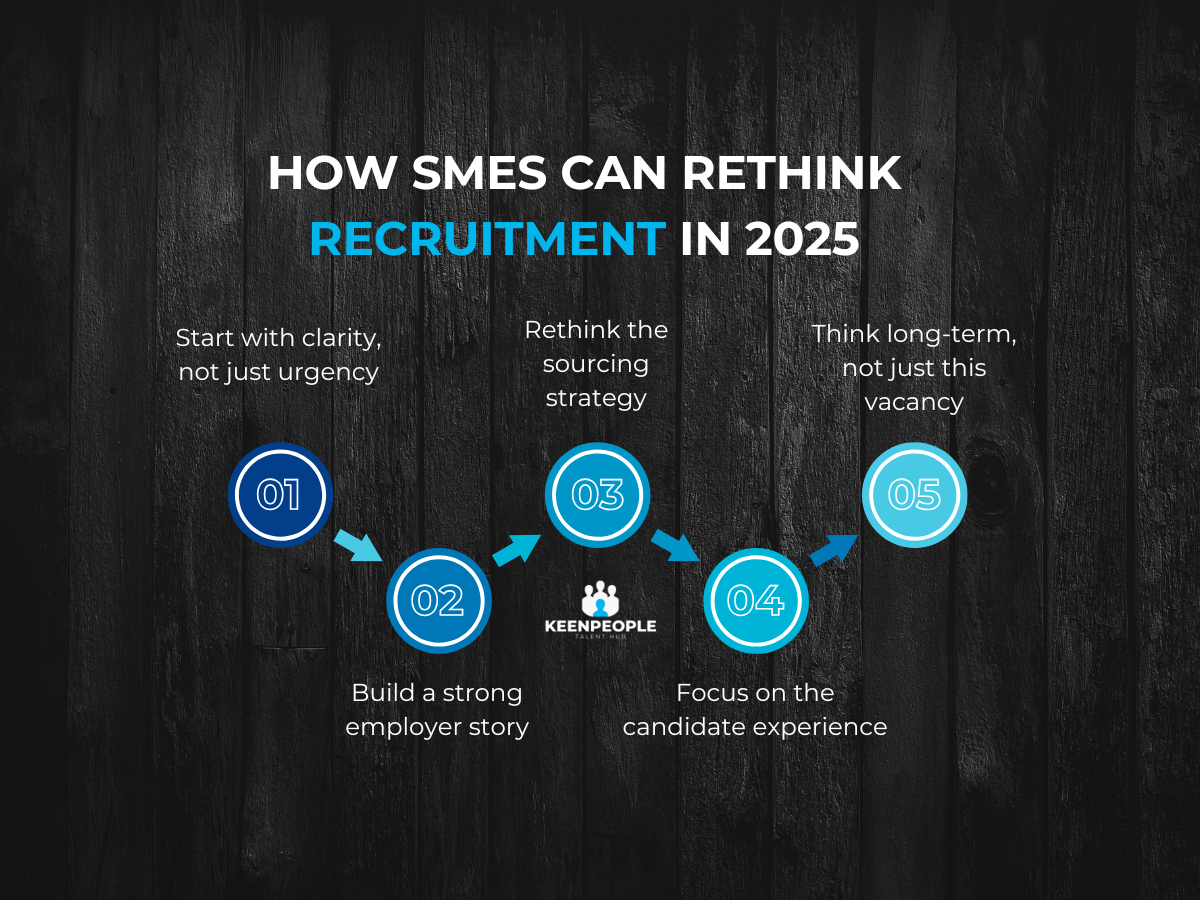
How SMEs Can Rethink Recruitment in 2025
Hiring in 2025 feels like a juggling act for many small and medium-sized businesses. Budgets are tighter, the right candidates seem harder to reach, and competition with bigger players is fiercer than ever.

Trust Is the New Tech: Cybersecurity for Leaders in a Digital World
Trust is now a business asset. And cybersecurity is right at the heart of it. The days of thinking “that’s for IT” are gone. Leaders, this one’s on you.
UK Workforce in 2025: Keen People’s Insights on Salaries, Benefits, and Employment Expectations
We work closely with businesses and professionals to stay ahead of employment trends. The UK job market is shifting, with salaries, benefits, and workplace policies redefining how companies attract and retain talent. To remain competitive, organisations must understand what professionals expect and how they can deliver the right employment packages.
Navigating the Impact of National Insurance Increases on the UK Tech Sector
The UK tech sector is adjusting to a new cost factor in 2025. It’s not AI or talent shortages this time, but a rise in National Insurance contributions. This change is reshaping both how companies hire and how professionals view their earnings.

The Hidden Cost of a Slow Hiring Process
Hiring the right person takes time, but how much time is too much? In today’s competitive job market, a slow hiring process isn’t just an inconvenience, it’s a liability. Top candidates are in high demand, and if your recruitment process drags on for weeks (or even months), chances are, you’re losing them to companies that move faster.
One of the biggest misconceptions about hiring is that taking longer leads to better decisions. While due diligence is crucial, delays often stem from unnecessary bottlenecks, too many interview stages, lengthy internal approvals, or indecision over the “perfect” candidate. The reality? Perfection doesn’t exist, but great talent won’t wait around while you deliberate.
A sluggish hiring process doesn’t just affect the candidates, it impacts your team, too. Vacant roles mean increased workloads, burnout, and stalled projects. The longer a position remains unfilled, the more productivity takes a hit, ultimately affecting your bottom line. And if hiring managers are stuck in an endless cycle of interviews and approvals, their focus is diverted from strategic growth.
The solution isn’t to rush hiring but to streamline it. Clear job descriptions, structured interview processes, and decisive decision-making can cut hiring time without compromising quality. Communicating expectations with candidates, providing timely feedback, and keeping the process transparent can also improve engagement and prevent drop-offs.
At the end of the day, hiring is about finding the right fit, not just for the company, but for the candidate, too. If your process is too slow, you might not only miss out on top talent, but also send a message that decision-making within the company is sluggish. In a fast-moving world, agility is everything.
How do you balance speed and quality in your hiring process? Have you ever lost a great candidate due to delays?