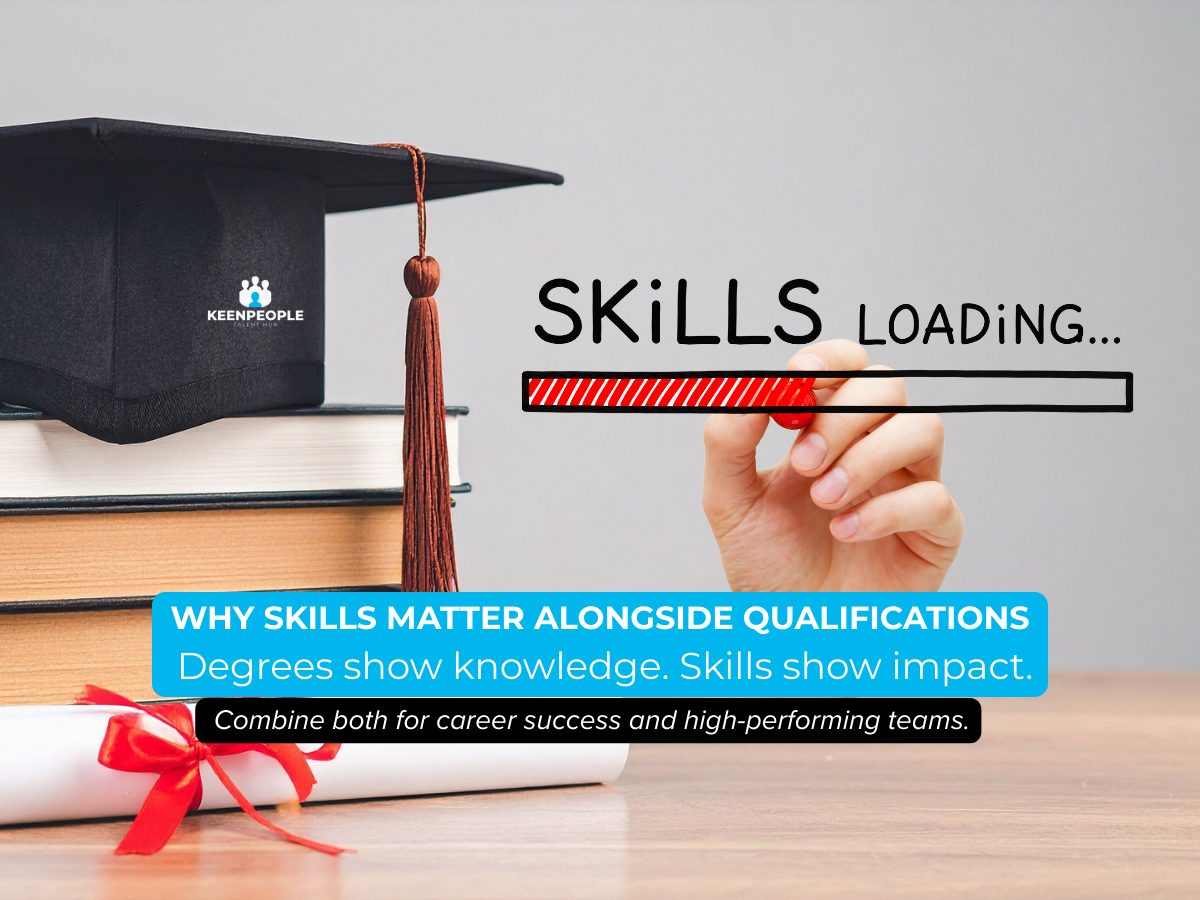
Education and formal qualifications have always been important markers of knowledge, commitment, and expertise. Degrees and masters demonstrate dedication and mastery of a field, and they remain highly valuable.
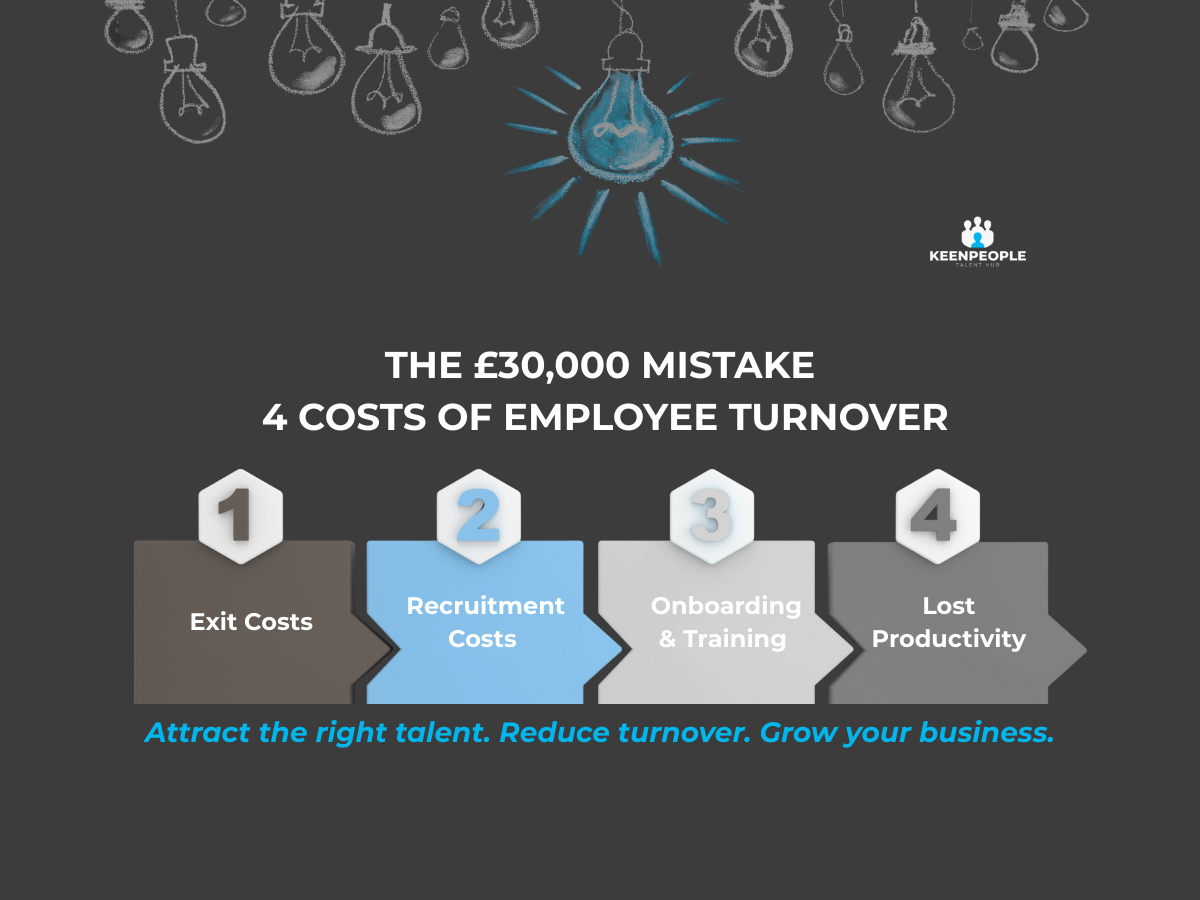
The £30,000 Mistake: Calculating and Capping the True Cost of Employee Turnover in the UK
Employee turnover can cost far more than just the salary of the departing employee. For HR directors, CFOs, and operations leaders, understanding the potential financial impact is essential for making strategic decisions about retention and recruitment.
The Last Minute Hiring Rush That Nobody Talks About
Every December, something slightly chaotic and slightly magical happens in the world of hiring. Just when most people are slowing down and thinking about mince pies, travel plans and one last office quiz, companies suddenly realise they need to hire immediately.
Decoding AI in Recruitment: A Smarter Route for Candidates and Companies
Artificial intelligence has quietly moved from the future into the workplace. From smart CV screeners to chatbots that schedule interviews, AI is changing the way we hire, apply, and connect.
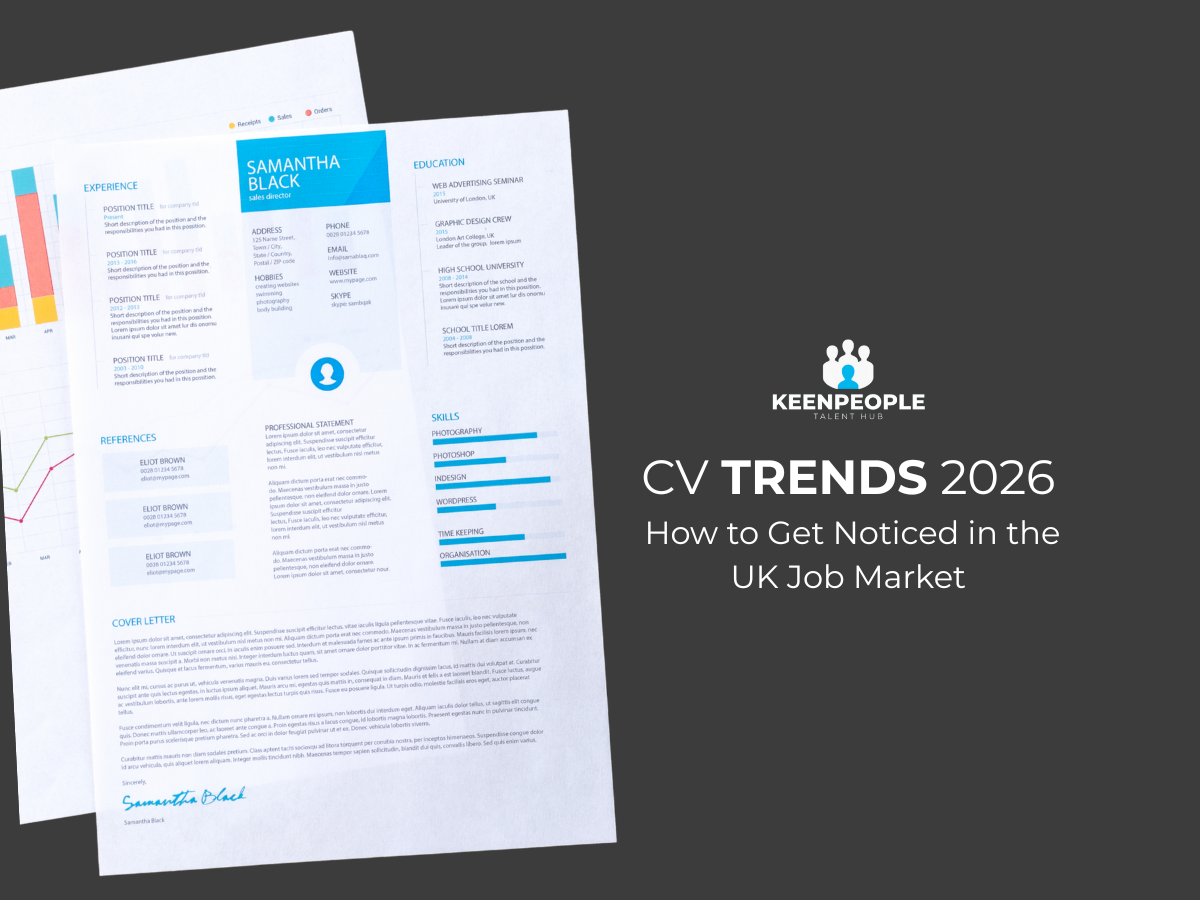
The CV Guide for 2026: What Employers Really Want to See
The job market in 2026 is busy, competitive, and more digital than ever before. Employers are scanning hundreds of applications in seconds, so your CV must do more than list experience.
Rethinking Overqualified Candidates: Are We Missing Out on Top Talent?
Hiring managers often hesitate when they see an overqualified candidate applying for a role. The assumption? They’ll be bored, expect too much, or leave as soon as a better offer comes along. But what if we’re looking at it all wrong?
Why Great Candidates Walk Away from Your Hiring Process
Ever had a promising candidate drop out of your hiring process? You’re not alone. In today’s job market, candidates have options—plenty of them. If you’re seeing top talent disengage before the finish line, it’s worth asking: is your hiring process pushing them away?
One of the biggest culprits is a painfully slow process. Lengthy interview rounds, delayed responses, and indecisive hiring managers can all test a candidate’s patience. The best professionals aren’t sitting around waiting—they’re fielding multiple offers. If you take weeks to make a decision, they’ll likely take another opportunity before you even get back to them. Speed matters.
Then there’s poor communication. Candidates want transparency—about salary, expectations, and timelines. If they’re left in the dark or given vague updates, they’ll assume your company operates the same way internally. A clear, well-structured process with regular touchpoints can make a world of difference.
Another major reason candidates walk? An impersonal or robotic experience. A hiring process should be a two-way street—not just about assessing them, but also showing them why they should choose you. If your process feels transactional or uninspiring, they won’t feel connected to the company. Personalising interviews, giving genuine insights into company culture, and treating candidates with respect can set you apart.
Finally, misaligned expectations can derail everything at the last minute. If the job description promised one thing but the interview suggests another, candidates will hesitate. Honesty from the start about the role, growth opportunities, and company culture helps avoid last-minute dropouts.
Top talent isn’t just looking for a job—they’re looking for a great experience. If you’re struggling with candidate drop-off, it might be time to rethink your hiring approach. Have you noticed top candidates pulling away before the final stage? What do you think makes or breaks a hiring experience?
Is Your Job Description Repelling Top Talent?
A job description is often the first impression a candidate has of your company, yet so many are filled with vague jargon, unrealistic demands, or pages of dry bullet points. In a competitive hiring market, a poorly written job post doesn’t just fail to attract top talent, it actively pushes them away.
One of the biggest mistakes companies make is overloading job descriptions with excessive requirements. Do you really need ten years of experience for a mid-level role? Is that “must-have” degree truly essential? When jobseekers feel they don’t tick every single box, many will simply move on, especially women and underrepresented groups, who statistically apply only when they meet nearly all listed criteria. Instead of crafting a wish list of impossible qualifications, focus on what actually matters: skills, impact, and growth potential.
Then there’s the language. Corporate buzzwords like “rockstar,” “ninja,” or “fast-paced environment” can be off-putting or vague. Instead, be clear, direct, and inclusive. Words carry weight, if your listing sounds cold or overly demanding, candidates might assume your company culture is the same. Aim for a tone that reflects your current workplace: collaborative, supportive, and realistic about expectations.
Another major red flag? A job description that only talks about what the company wants and says nothing about what the candidate gains. Top professionals aren’t just looking for a paycheck, they’re looking for career growth, work-life balance, and a company that aligns with their values. Highlight your benefits, company culture, and what makes your team special. Show them why they should choose you.
Finally, don’t forget that a job description is a marketing tool, not just a list of duties. It should engage, excite, and invite candidates to imagine themselves in the role. If your hiring process starts with an uninspiring or unrealistic job ad, you might be filtering out the very people you want to attract.
When was the last time you reviewed your job descriptions? Do they inspire or intimidate?
The Hidden Cost of a Slow Hiring Process
Hiring the right person takes time, but how much time is too much? In today’s competitive job market, a slow hiring process isn’t just an inconvenience, it’s a liability. Top candidates are in high demand, and if your recruitment process drags on for weeks (or even months), chances are, you’re losing them to companies that move faster.
One of the biggest misconceptions about hiring is that taking longer leads to better decisions. While due diligence is crucial, delays often stem from unnecessary bottlenecks, too many interview stages, lengthy internal approvals, or indecision over the “perfect” candidate. The reality? Perfection doesn’t exist, but great talent won’t wait around while you deliberate.
A sluggish hiring process doesn’t just affect the candidates, it impacts your team, too. Vacant roles mean increased workloads, burnout, and stalled projects. The longer a position remains unfilled, the more productivity takes a hit, ultimately affecting your bottom line. And if hiring managers are stuck in an endless cycle of interviews and approvals, their focus is diverted from strategic growth.
The solution isn’t to rush hiring but to streamline it. Clear job descriptions, structured interview processes, and decisive decision-making can cut hiring time without compromising quality. Communicating expectations with candidates, providing timely feedback, and keeping the process transparent can also improve engagement and prevent drop-offs.
At the end of the day, hiring is about finding the right fit, not just for the company, but for the candidate, too. If your process is too slow, you might not only miss out on top talent, but also send a message that decision-making within the company is sluggish. In a fast-moving world, agility is everything.
How do you balance speed and quality in your hiring process? Have you ever lost a great candidate due to delays?
Hiring for Potential: Why Skills-Based Hiring Is the Future
For years, job descriptions have been built around degrees, years of experience, and rigid qualification requirements. But as industries evolve and talent shortages grow, companies are rethinking how they assess candidates. The shift towards skills-based hiring is gaining momentum, focusing on what candidates can do rather than where they’ve been. This approach not only widens the talent pool but also allows businesses to find individuals with the right competencies to drive innovation and growth.
More companies are realising that experience alone isn’t always the best predictor of success. A candidate with ten years in the field might struggle to adapt, while someone with a strong skill set but less experience could thrive. The reality is, industries change fast, and the ability to learn, problem-solve, and think critically is often more valuable than a traditional career trajectory. By prioritising skills over credentials, businesses can unlock hidden potential in candidates who may have been overlooked due to non-traditional backgrounds.
Technology is also playing a role in this shift. AI-driven assessments, skills tests, and project-based interviews are becoming more common in the hiring process. These methods allow companies to gauge a candidate’s real abilities in ways that a CV never could. Instead of filtering out talent based on an arbitrary checklist, employers can now evaluate practical capabilities in real time. This levels the playing field, creating opportunities for those who may not have had access to formal education but have gained expertise through alternative routes like self-learning, bootcamps, or hands-on experience.
Beyond benefiting employers, skills-based hiring empowers candidates. It encourages lifelong learning, continuous upskilling, and adaptability—traits that are essential in today’s job market. Candidates who focus on developing their skills rather than chasing traditional career milestones will find themselves in a stronger position as hiring continues to evolve.
The question for businesses isn’t whether they should embrace skills-based hiring—it’s whether they can afford not to. In a world where innovation depends on talent, clinging to outdated hiring practices could mean missing out on exceptional people who have the ability, ambition, and mindset to transform an organisation.
What’s your take on skills-based hiring? Have you experienced the shift first-hand, either as a candidate or employer?