
Hiring entry-level cybersecurity talent is not just about filling a role. The real challenge is identifying which type of candidate aligns with your organisation’s specific business needs. Defining what your company truly requires before reviewing CVs transforms hiring from a gamble into a strategic advantage.
Beyond the CV: Why Role Clarity Is the Secret to Scaling Your Tech Team
In our years working alongside technology and cybersecurity teams, one pattern appears again and again. The impact of the right person in the right role is exponential. A hire who can take ownership, make sound decisions under pressure, and deliver real outcomes changes how a team performs.
Why a Full Recruitment Department Isn’t Always the Answer for Growing Tech and Cyber Teams
If you run a small cyber or tech business, hiring can feel overwhelming. You need the right skills quickly, the market is competitive, and every new hire has a big impact on delivery, culture, and growth.

Why Skills Matter Alongside Qualifications
Education and formal qualifications have always been important markers of knowledge, commitment, and expertise. Degrees and masters demonstrate dedication and mastery of a field, and they remain highly valuable.
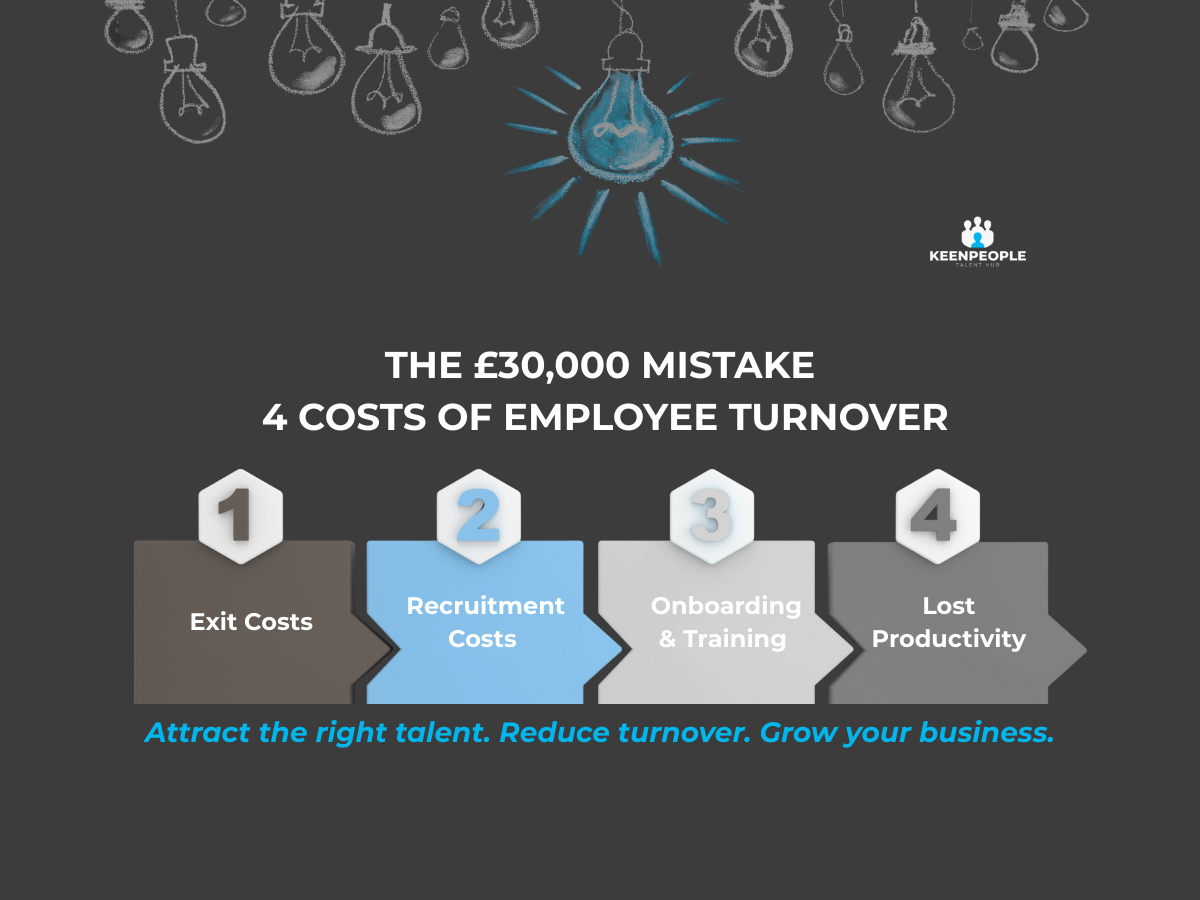
The £30,000 Mistake: Calculating and Capping the True Cost of Employee Turnover in the UK
Employee turnover can cost far more than just the salary of the departing employee. For HR directors, CFOs, and operations leaders, understanding the potential financial impact is essential for making strategic decisions about retention and recruitment.

The Last Minute Hiring Rush That Nobody Talks About
Every December, something slightly chaotic and slightly magical happens in the world of hiring. Just when most people are slowing down and thinking about mince pies, travel plans and one last office quiz, companies suddenly realise they need to hire immediately.
Decoding AI in Recruitment: A Smarter Route for Candidates and Companies
Artificial intelligence has quietly moved from the future into the workplace. From smart CV screeners to chatbots that schedule interviews, AI is changing the way we hire, apply, and connect.
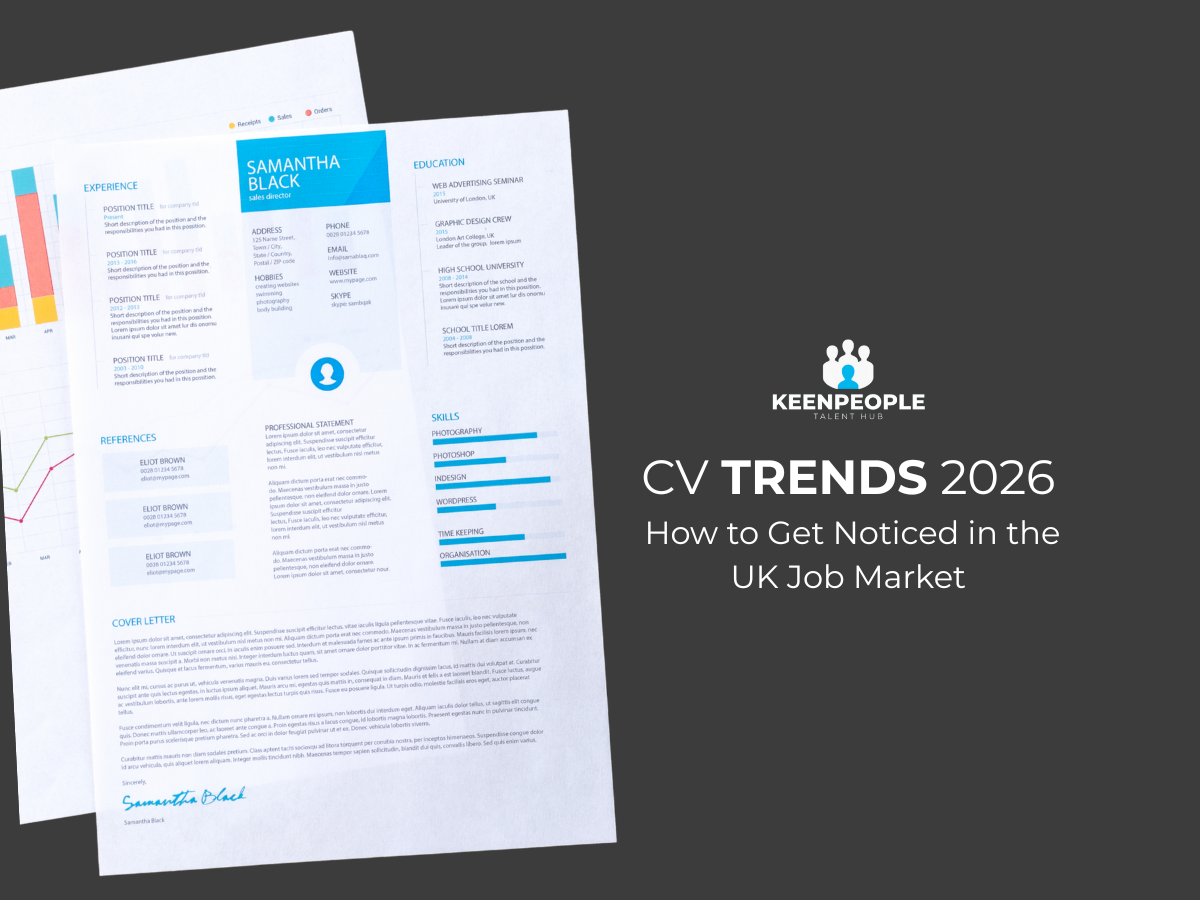
The CV Guide for 2026: What Employers Really Want to See
The job market in 2026 is busy, competitive, and more digital than ever before. Employers are scanning hundreds of applications in seconds, so your CV must do more than list experience.

Rethinking Overqualified Candidates: Are We Missing Out on Top Talent?
Hiring managers often hesitate when they see an overqualified candidate applying for a role. The assumption? They’ll be bored, expect too much, or leave as soon as a better offer comes along. But what if we’re looking at it all wrong?

Why Great Candidates Walk Away from Your Hiring Process
Ever had a promising candidate drop out of your hiring process? You’re not alone. In today’s job market, candidates have options—plenty of them. If you’re seeing top talent disengage before the finish line, it’s worth asking: is your hiring process pushing them away?
One of the biggest culprits is a painfully slow process. Lengthy interview rounds, delayed responses, and indecisive hiring managers can all test a candidate’s patience. The best professionals aren’t sitting around waiting—they’re fielding multiple offers. If you take weeks to make a decision, they’ll likely take another opportunity before you even get back to them. Speed matters.
Then there’s poor communication. Candidates want transparency—about salary, expectations, and timelines. If they’re left in the dark or given vague updates, they’ll assume your company operates the same way internally. A clear, well-structured process with regular touchpoints can make a world of difference.
Another major reason candidates walk? An impersonal or robotic experience. A hiring process should be a two-way street—not just about assessing them, but also showing them why they should choose you. If your process feels transactional or uninspiring, they won’t feel connected to the company. Personalising interviews, giving genuine insights into company culture, and treating candidates with respect can set you apart.
Finally, misaligned expectations can derail everything at the last minute. If the job description promised one thing but the interview suggests another, candidates will hesitate. Honesty from the start about the role, growth opportunities, and company culture helps avoid last-minute dropouts.
Top talent isn’t just looking for a job—they’re looking for a great experience. If you’re struggling with candidate drop-off, it might be time to rethink your hiring approach. Have you noticed top candidates pulling away before the final stage? What do you think makes or breaks a hiring experience?