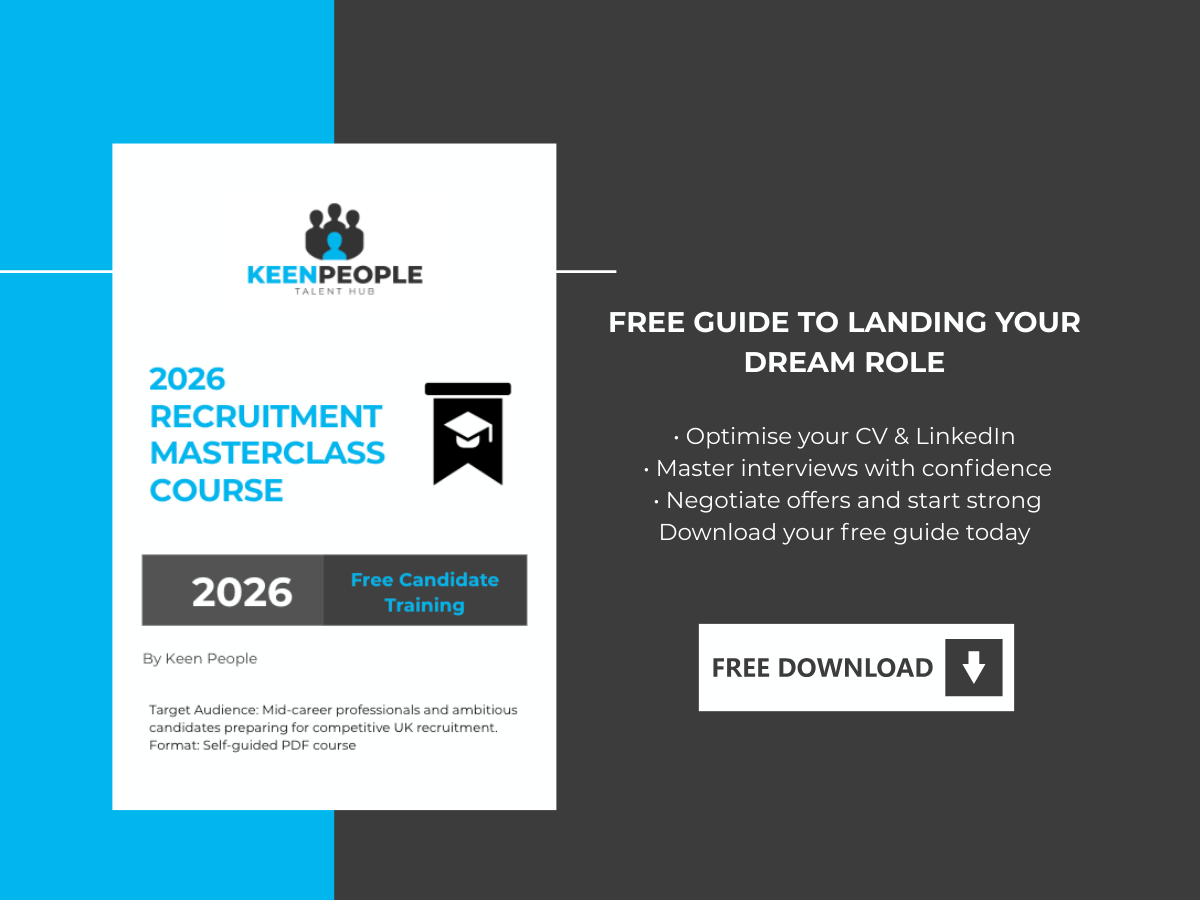

The job market in 2026 is tougher than ever. AI screenings, micro-team hires, and multi-stage assessments mean preparation is key.

Wrapping Up the Year: Vital Lessons from 2025 for Candidates and Leaders
As the year comes to a close, it is natural to reflect on what 2025 has taught us.
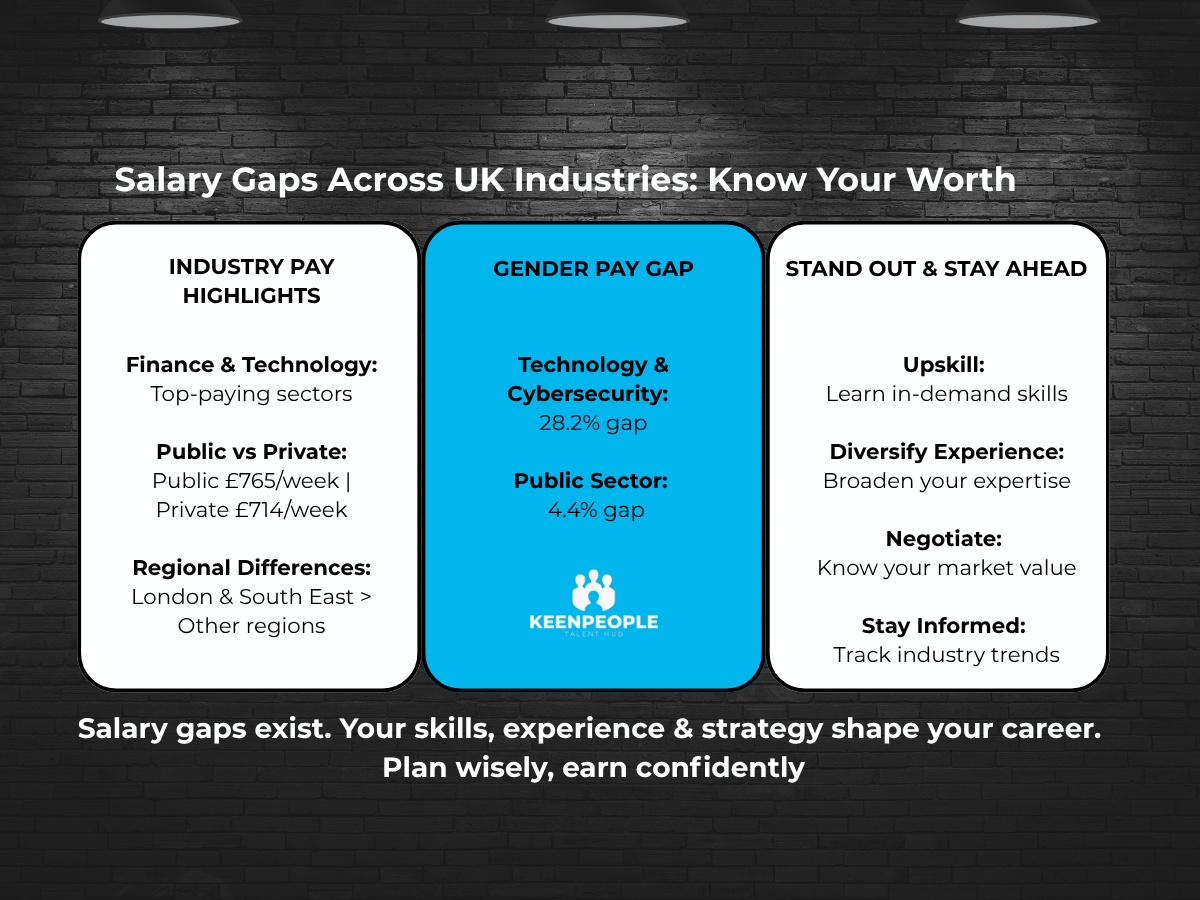
Navigating the Salary Aspect: Insights into UK Industry Pay Gaps
Salary disparities across UK industries are not just statistical anomalies; they reflect underlying market dynamics, skill demands, and recruitment trends.
Calm in the Chaos: Practical Ways to Manage Anxiety at Work
Anxiety at work is something most of us have felt, even if only in small doses.
Salary Questions in Interviews: How to Handle the Conversation
Salary conversations in interviews can feel uncomfortable for many candidates. One of the most common dilemmas is whether you should speak first or wait for the employer.
The Psychology of Job Searching: How Your Mindset Shapes Your Career Success
Job searching is often seen as a straightforward process, submit applications, attend interviews, and wait for responses. However, the reality is far more complex. How candidates approach their job search, handle setbacks, and maintain motivation plays a crucial role in determining success. Mindset is one of the most overlooked yet powerful factors in career progression.
Mental Health Awareness Week in the UK: Let’s Talk Honestly About Mental Health at Work
Mental Health Awareness Week (13–19 May 2025) is a moment to pause, reflect, and talk about something that affects us all — whether we’re candidates, employers, or colleagues.
The Role of Technology and Innovation in Attracting Gen Z Talent
Let’s talk about Gen Z—the digital natives shaking up the job market in the best way.
Sponsoring International Talent: A Guide for UK Employers
In a competitive job market, businesses across the UK are increasingly looking abroad to find top talent. However, hiring international candidates requires navigating the UK’s sponsorship process, ensuring compliance with immigration laws while securing skilled professionals for your company.
Here’s a straightforward guide to what employers need to know.
1. Do You Need a Sponsor Licence?
If you want to hire a worker from outside the UK (including EU nationals, except Irish citizens), your business will likely need a sponsor licence. This allows you to issue a Certificate of Sponsorship (CoS), which a candidate needs to apply for a Skilled Worker visa.
Some individuals may not need sponsorship, such as those with settled or pre-settled status under the EU Settlement Scheme.
2. How to Apply for a Sponsor Licence
To become a licensed sponsor, businesses must:
✔ Check Eligibility – You must be a legally operating UK business and have proper HR systems in place to monitor sponsored workers.
✔ Ensure the Role Qualifies – The job must meet the required skill and salary thresholds (generally £38,700 per year).
✔ Appoint Key Personnel – Designate staff responsible for sponsorship duties.
✔ Submit the Application – Apply online to UK Visas and Immigration (UKVI) and pay the relevant fee (£574 for small businesses, £1,579 for larger companies).
✔ Prepare for Compliance Checks – UKVI may inspect your business to ensure compliance with sponsorship duties.
Once approved, you’ll receive an A-rated licence, allowing you to issue sponsorship certificates to eligible candidates.
3. Employer Responsibilities
As a sponsor, you must:
✔ Monitor employees and report visa-related issues to UKVI.
✔ Ensure salaries and job roles continue to meet visa requirements.
✔ Keep up-to-date records of sponsored workers.
Failure to meet these obligations can result in fines, licence revocation, or reputational damage.
4. Costs Involved
Hiring international talent comes with costs, including:
✔ Sponsor Licence Fee – £574 (small businesses) to £1,579 (larger companies).
✔ Certificate of Sponsorship – £525 per worker.
✔ Immigration Skills Charge – £364 to £1,000 per year, depending on company size.
✔ Visa & Health Surcharge – Skilled Worker visa fees range from £769 to £1,519; and the Immigration Health Surcharge is £1,035 per year.
5. The Candidate’s Process
Once an employer issues a Certificate of Sponsorship, the candidate must:
✔ Apply for a Skilled Worker visa.
✔ Meet English language proficiency requirements.
✔ Pay visa and health surcharge fees.
Visas are typically granted for up to five years, with the option to apply for indefinite leave to remain after this period.
Sponsoring international talent can seem complex, but for many businesses, the investment is worthwhile. With the right guidance, companies can access a global pool of skilled professionals while ensuring compliance with UK immigration laws.
For full and official guidance, please visit www.gov.uk/uk-visa-sponsorship-employers. This information is provided as general guidance (valid as of the publication date)—always refer to official sources for the latest requirements.
Why Great Candidates Walk Away from Your Hiring Process
Ever had a promising candidate drop out of your hiring process? You’re not alone. In today’s job market, candidates have options—plenty of them. If you’re seeing top talent disengage before the finish line, it’s worth asking: is your hiring process pushing them away?
One of the biggest culprits is a painfully slow process. Lengthy interview rounds, delayed responses, and indecisive hiring managers can all test a candidate’s patience. The best professionals aren’t sitting around waiting—they’re fielding multiple offers. If you take weeks to make a decision, they’ll likely take another opportunity before you even get back to them. Speed matters.
Then there’s poor communication. Candidates want transparency—about salary, expectations, and timelines. If they’re left in the dark or given vague updates, they’ll assume your company operates the same way internally. A clear, well-structured process with regular touchpoints can make a world of difference.
Another major reason candidates walk? An impersonal or robotic experience. A hiring process should be a two-way street—not just about assessing them, but also showing them why they should choose you. If your process feels transactional or uninspiring, they won’t feel connected to the company. Personalising interviews, giving genuine insights into company culture, and treating candidates with respect can set you apart.
Finally, misaligned expectations can derail everything at the last minute. If the job description promised one thing but the interview suggests another, candidates will hesitate. Honesty from the start about the role, growth opportunities, and company culture helps avoid last-minute dropouts.
Top talent isn’t just looking for a job—they’re looking for a great experience. If you’re struggling with candidate drop-off, it might be time to rethink your hiring approach. Have you noticed top candidates pulling away before the final stage? What do you think makes or breaks a hiring experience?